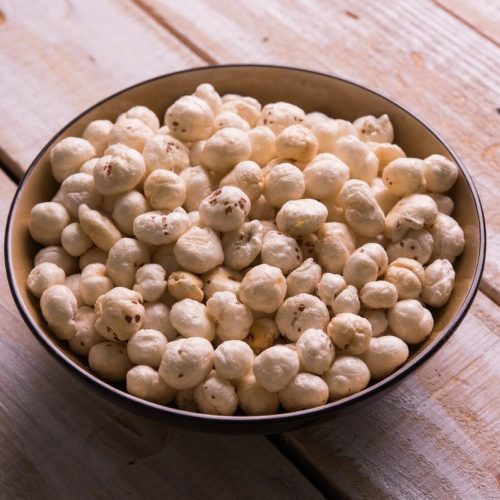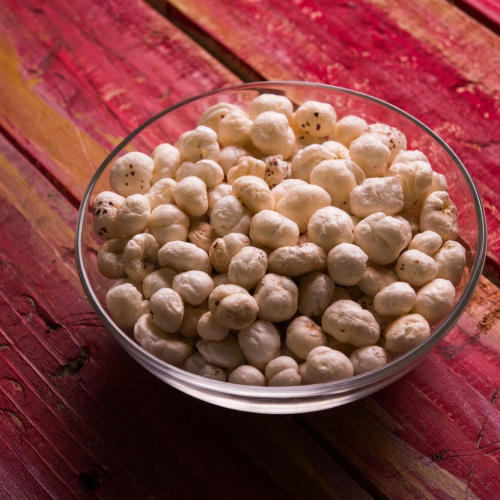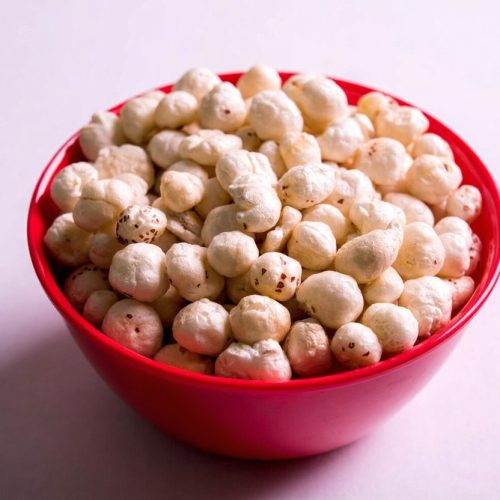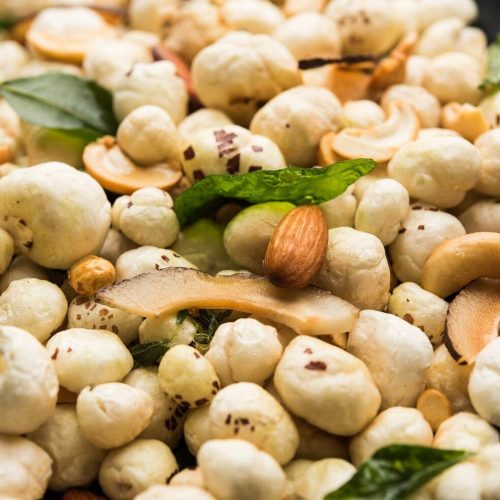
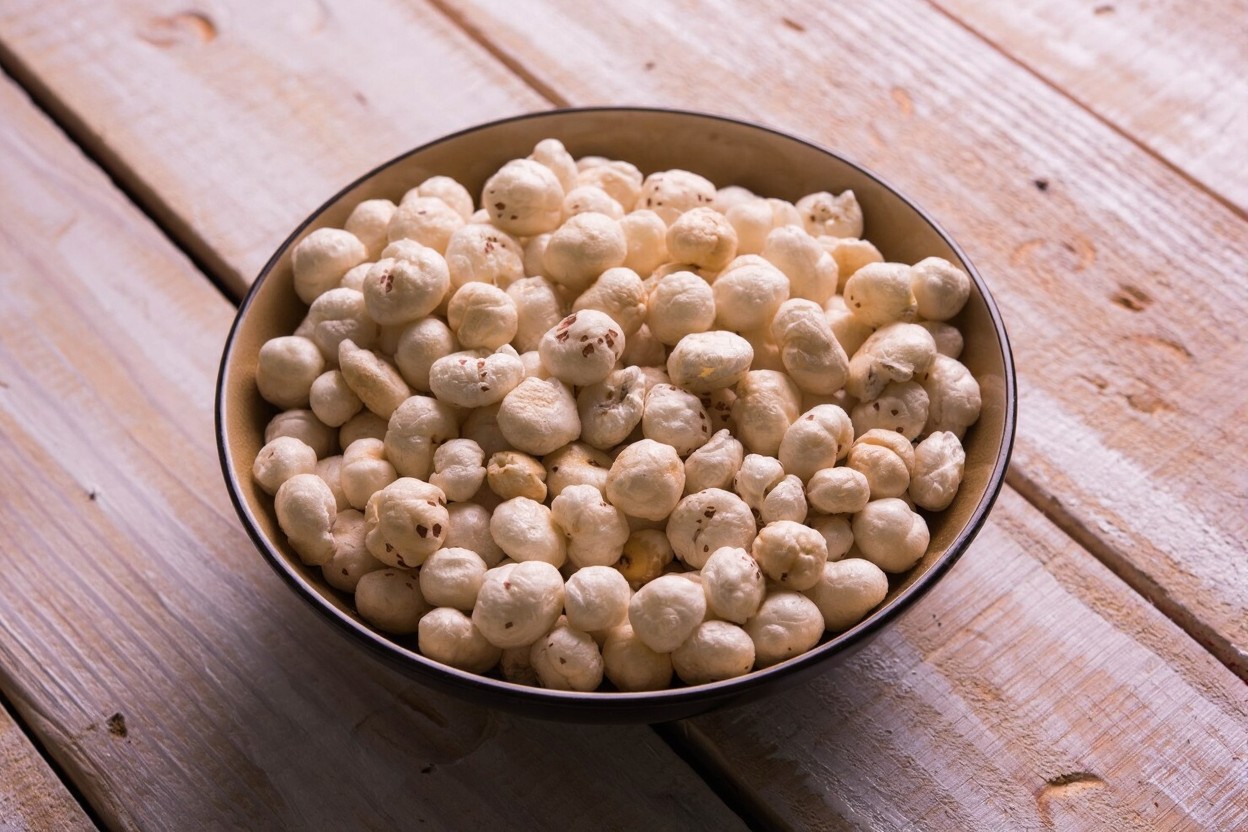
Makhana, also known as fox nuts or lotus seeds, is rapidly gaining global popularity as a healthy, gluten-free, plant-based snack. With India being the world’s largest producer, many international buyers are turning to Indian suppliers for export-grade makhana.
This guide explains how to import makhana from India, covering supplier selection, quality standards, documentation, packaging, logistics, and compliance—especially useful for UAE, UK, and EU importers.
Step 1: Understand Makhana Grades & Specifications
Before importing, buyers should clearly define product requirements.
Common Export Grades
• Handpicked / Premium Grade – Large size, white color
• Standard Export Grade – Medium size, good popping
• Industrial Grade – For further processing
Key Quality Parameters
• Size uniformity
• Moisture level
• Whiteness and texture
• Shelf life
Step 2: Choose the Right Makhana Exporter in India
Selecting a reliable supplier is crucial.
What to Look For
• Experience in international exports
• Access to certified manufacturers
• Quality control processes
• Ability to provide bulk & private-label supply
Working with a professional exporter ensures consistent quality and smooth shipments.
Step 3: Packaging Options for Export
Packaging depends on market and application.
Common Export Packaging
• 10 kg / 20 kg bulk bags
• Vacuum-sealed packs
• Private-label retail packaging
Packaging should be food-grade, moisture-proof, and compliant with importing country regulations.
Step 4: Required Documents for Importing Makhana
International buyers typically need the following export documents:
• Commercial Invoice
• Packing List
• Certificate of Origin
• Phytosanitary Certificate
• Bill of Lading / Airway Bill
• FSSAI compliance (India)
UAE and EU buyers may require additional labeling or compliance documentation.
Step 5: Quality Standards & Compliance
Indian makhana exporters follow international quality and hygiene standards to ensure import acceptance.
Common Compliance Areas
• Food safety and hygiene
• Proper labeling (ingredients, origin, shelf life)
• Moisture and contamination control
This ensures smooth customs clearance and market acceptance.
Step 6: Shipping & Logistics
Makhana can be shipped by:
• Sea freight (cost-effective for bulk)
• Air freight (urgent or small volumes)
Major Indian ports such as Chennai, Mumbai, and Kolkata are commonly used for exports.
Step 7: Customs Clearance & Distribution
Once goods arrive:
• Customs inspection may occur
• Import duties and VAT are applied
• Products are released for distribution
Having complete documentation reduces delays.
Common Challenges & How to Avoid Them
| Challenge | Solution |
| Quality inconsistency | Work with trusted exporters |
| Moisture damage | Use proper packaging |
| Documentation delays | Pre-verify all papers |
| Supplier reliability | Choose experienced exporters |
Why Source Makhana from India?
• Largest global producer
• Competitive pricing
• Wide range of grades
• Export-ready manufacturers
India remains the most reliable sourcing destination for makhana.
Saroint International – Your Trusted Makhana Export Partner
Saroint International simplifies makhana imports by offering:
• Premium export-grade makhana
• Bulk & private-label solutions
• End-to-end export support
• Reliable shipping worldwide
📩 Contact us today to start importing makhana from India with confidence.